
Parameters for correct production in machining
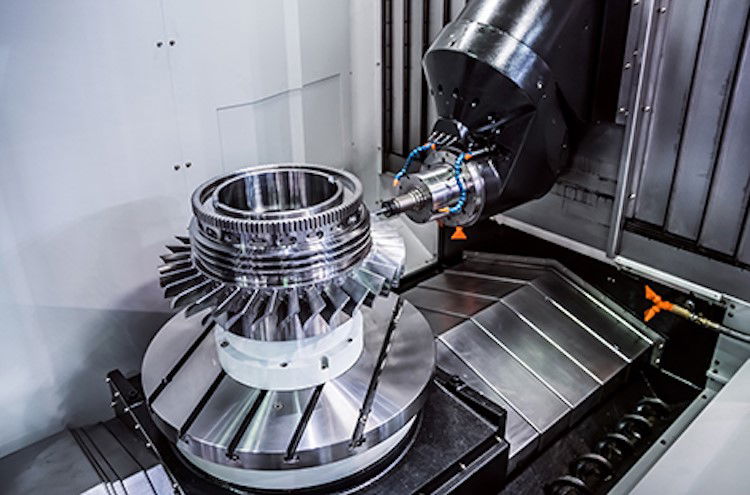
In machining, there are several important parameters that need to be taken into account to ensure correct and high-quality production. Here is a list of some of the critical parameters:
1. Cutting Speed
- This is the speed at which the tool moves across the material. Cutting speed directly affects the quality of the surface, the life of the tool, and the amount of heat emitted in the process.
- The speed must be adjusted to the type of material, the type of tool, and the size of the material. Too high a cutting speed can cause high heating and reduce accuracy, while too low a speed can cause uneven wear and damage the work.
2. Feed Rate
- The feed rate of the tool into the material (the speed at which the tool moves along the surface of the material) affects the cut, quality, and work efficiency.
- Too low a feed rate can lead to problems such as overheating or wear, while too high a feed rate may lead to increased noise, instability, and reduced surface quality.
3. Depth of Cut
- The depth of cut indicates the amount of material removed during each revolution of the tool.
- The depth of cut must be adjusted to the material properties and type of tool. Too great a depth of cut can overload the tool and impair accuracy, and sometimes even cause damage to the tool or machine.
4. Type of tool
- The type of tool selected (such as turning, engraving, milling, cutting, etc.) depends on the material being processed and the type of processing required.
- Each type of tool is suitable for different working conditions, such as hard or soft material, required precision, and more.
5. The processed material
- Material properties directly affect machining parameters. For example, harder materials will require lower cutting speeds and higher feed forces.
- The material's hardness, density, thermal properties (such as thermal conductivity), and abrasion resistance must be taken into account.


